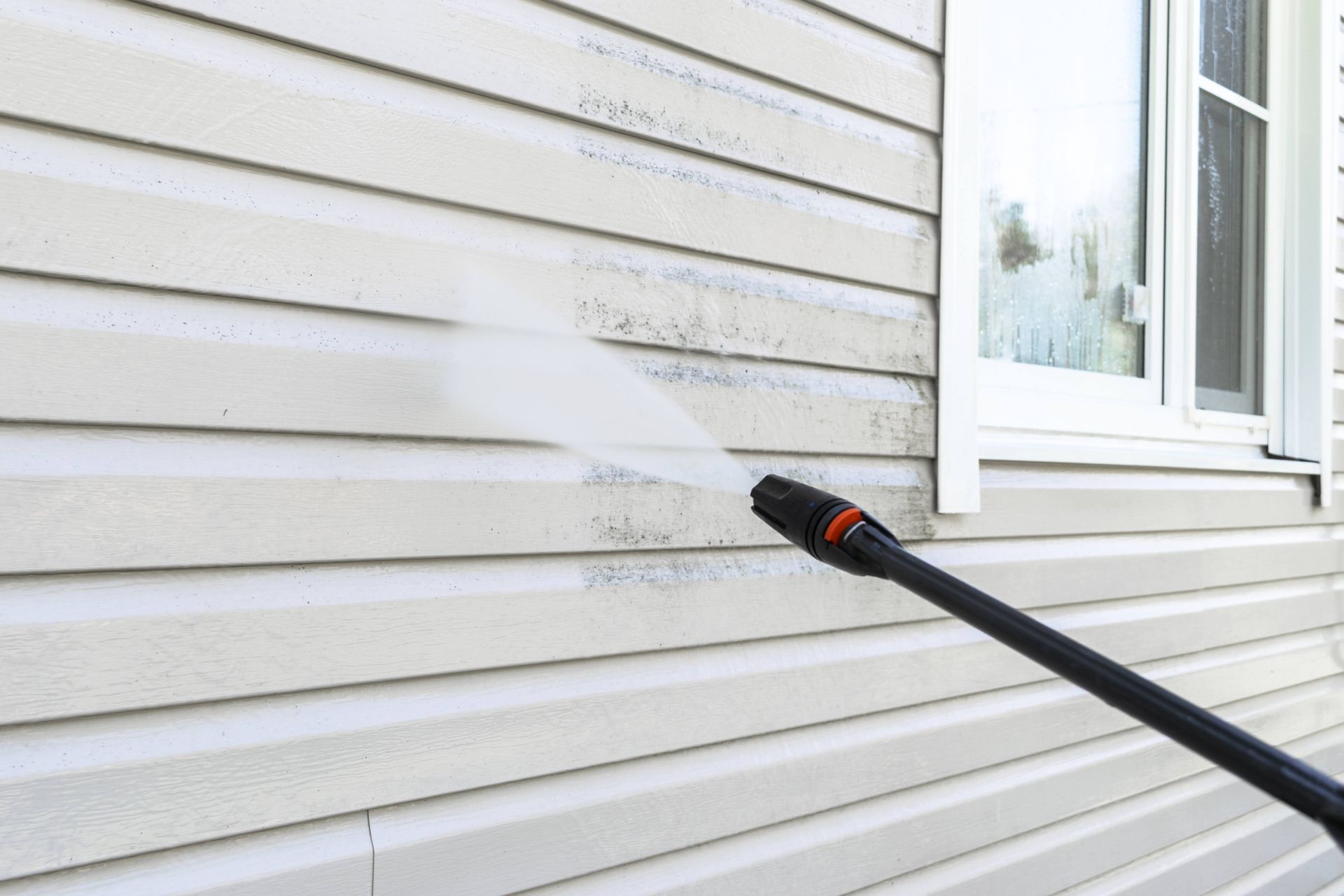
Lake Mary's hot, wet summers make roofs a prime target for biological growth. This article explains how the local climate fuels algae and mold on rooftops, what that growth does to shingles over time, and why roof cleaning is a smart line of defense in 2026.
How Lake Mary's Climate Creates the Perfect Storm for Roof Growth
Lake Mary's rainy season is a biological accelerant. The wetter season runs from late May through early October, with August alone averaging 20 wet days and about 5.6 inches of rainfall. That is an enormous amount of sustained moisture sitting on rooftops across neighborhoods like Timacuan, Lake Mary Woods, and Heathrow.
Humidity compounds the problem even on dry days. August and September average 77% relative humidity. When you combine near-daily afternoon thunderstorms with overnight humidity that rarely drops, shingles never get the chance to fully dry out. The single biggest factor driving biological growth on a roof is how long the surface stays wet after rain or overnight dew.
In Lake Mary, summers are long, hot, and wet -- exactly the conditions that turn a roof into a feeding ground for organisms like
Gloeocapsa magma and mold.
What Is Gloeocapsa Magma, and Why Does It Target Your Shingles?
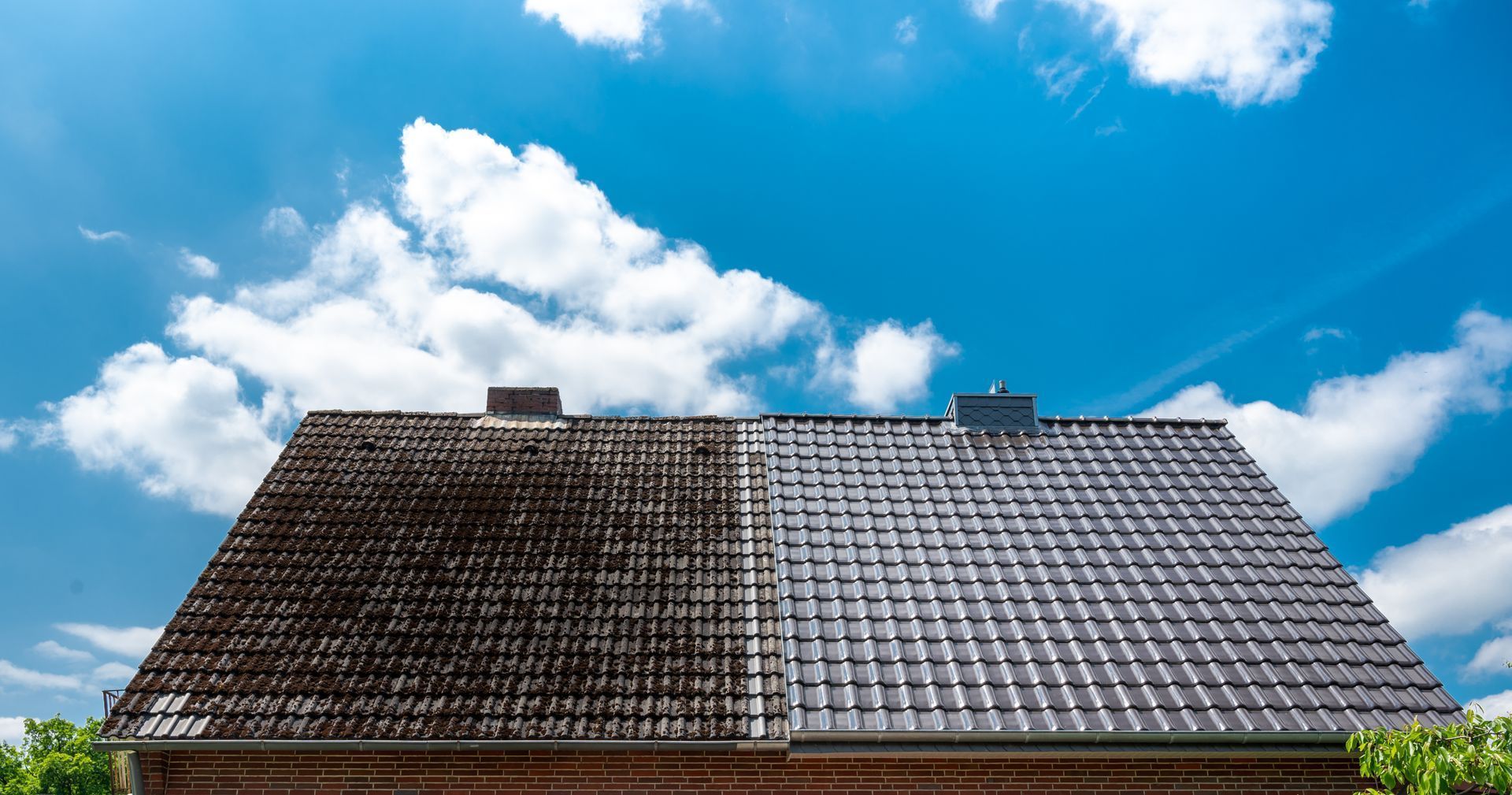
Gloeocapsa magma is responsible for the dark streaks running down roofs throughout Seminole County. Many homeowners assume those streaks are dirt or mildew. They are not.
This cyanobacterium thrives in humid climates like Florida's, feeding off the limestone filler used in roof shingles and causing unattractive dark stains. Spores are airborne and land on roofs constantly, carried by wind from neighboring roofs, trees, and bodies of water. Once a spore lands on a shingle, it needs just three things to establish a colony: moisture, warmth, and food.
Mold follows a similar path. In Lake Mary's Seminole County setting, tree canopy from mature oaks and pines in communities like Markham Woods Road shades roof sections and keeps them moist even longer, giving both mold and algae ideal conditions to take hold.
The Warning Signs Homeowners in Lake Mary Often Miss
Roof cleaning in Lake Mary, FL, often becomes urgent only after visible damage appears. Catching early signs matters. Watch for:
- Dark streaks or smears running down the slope of your roof, indicating an active algae colony.
- Green or black patches in shaded areas, often on the north-facing side or under tree branches.
- Fuzzy or powdery spots near ridge caps or valleys, which may signal mold or mildew.
- Granules accumulating in gutters or downspouts, pointing to shingle degradation caused by biological organisms.
By the time a streak is clearly visible from the street, the colony has often been established for months and will continue to worsen year to year.
How Fast Growth Spreads and What It Does to Shingles
Biological growth on a roof is not a cosmetic issue that can wait. Gloeocapsa magma breaks down shingles by feeding off the limestone granules embedded in them, decreasing the roof's ability to reflect ultraviolet rays. Algae also retain moisture against the shingle surface, accelerating granule loss -- and once granules are gone, shingle deterioration speeds up dramatically.
In a climate like Lake Mary's, where rain cycles repeat almost daily through summer, this feedback loop accelerates faster than it would in cooler or drier regions. Left untreated, growth holds moisture within shingles, causing premature aging, rotting, and granule loss, and can ultimately lead to structural harm, water penetration, and decreased energy efficiency.
Frequently Asked Questions About Roof Algae and Mold in Lake Mary, FL
How Quickly Can Gloeocapsa Magma Spread on a Lake Mary Roof?
Growth can become visible within a single rainy season. Because Lake Mary sees near-daily rain from June through September, spores that land in early summer can form noticeable streaks by late August. Shaded sections -- common in wooded Seminole County neighborhoods -- may show staining even faster.
Is Roof Mold Different from Roof Algae?
Yes, though they often appear together. Algae like
Gloeocapsa magma typically show as dark streaks, while mold tends to appear as fuzzy or powdery patches. Both thrive in moisture, and both can degrade shingles over time. A professional
roof cleaning<https://www.allherosoftwash.info/roof-cleaning> assessment can identify which organism is present and treat it appropriately.
Does Soft Washing Actually Kill the Organisms, or Just Clean the Surface?
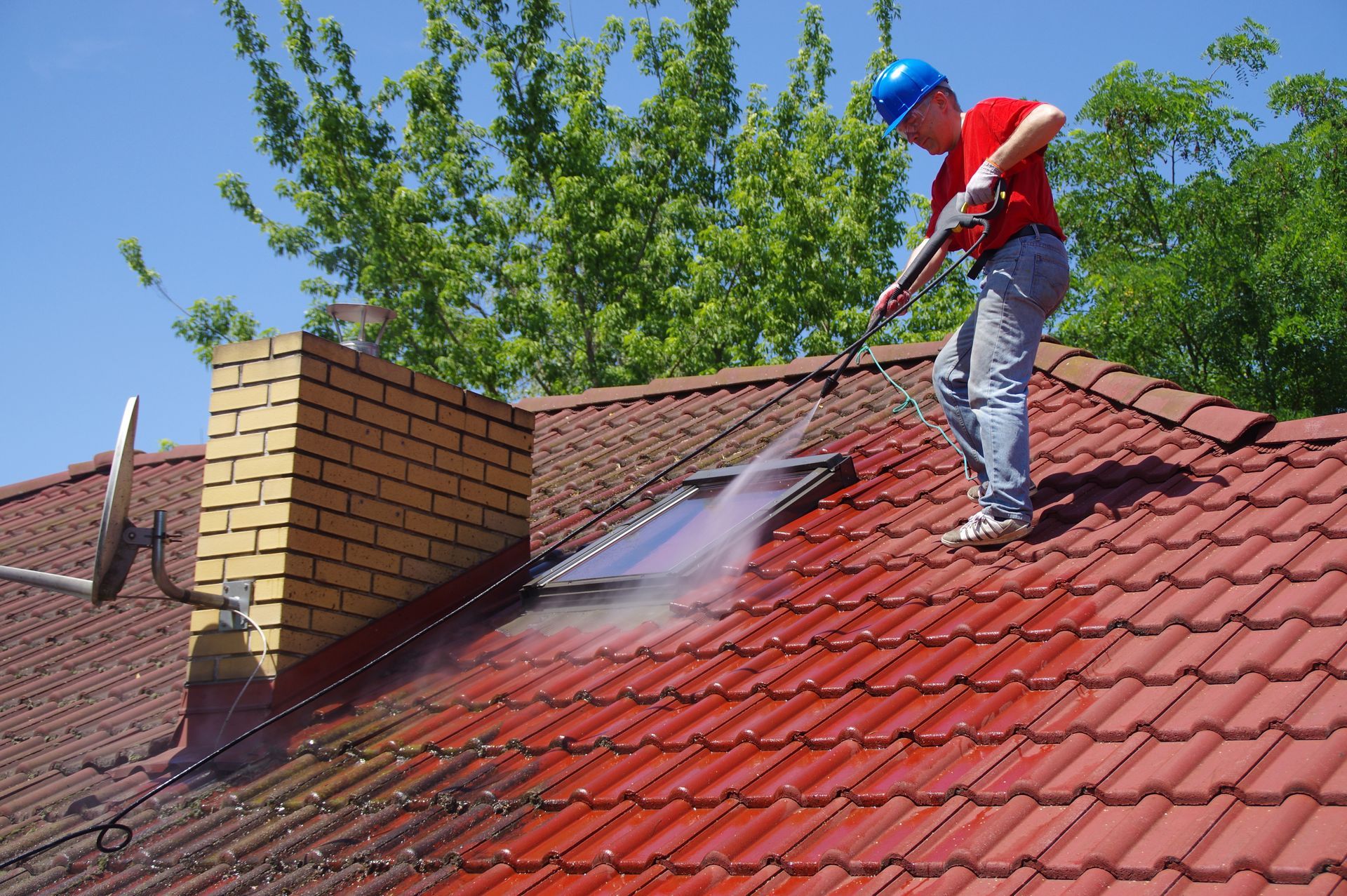
Soft washing uses low pressure and specialized cleaning solutions to kill biological growth at the source, not just wash away the visible stain. Using a diluted, shingle-safe algaecide kills the roots without damaging granules or voiding the warranty. Simply rinsing a roof leaves the colony intact, and regrowth can begin within weeks.
Take Action Before the Next Rainy Season Hits
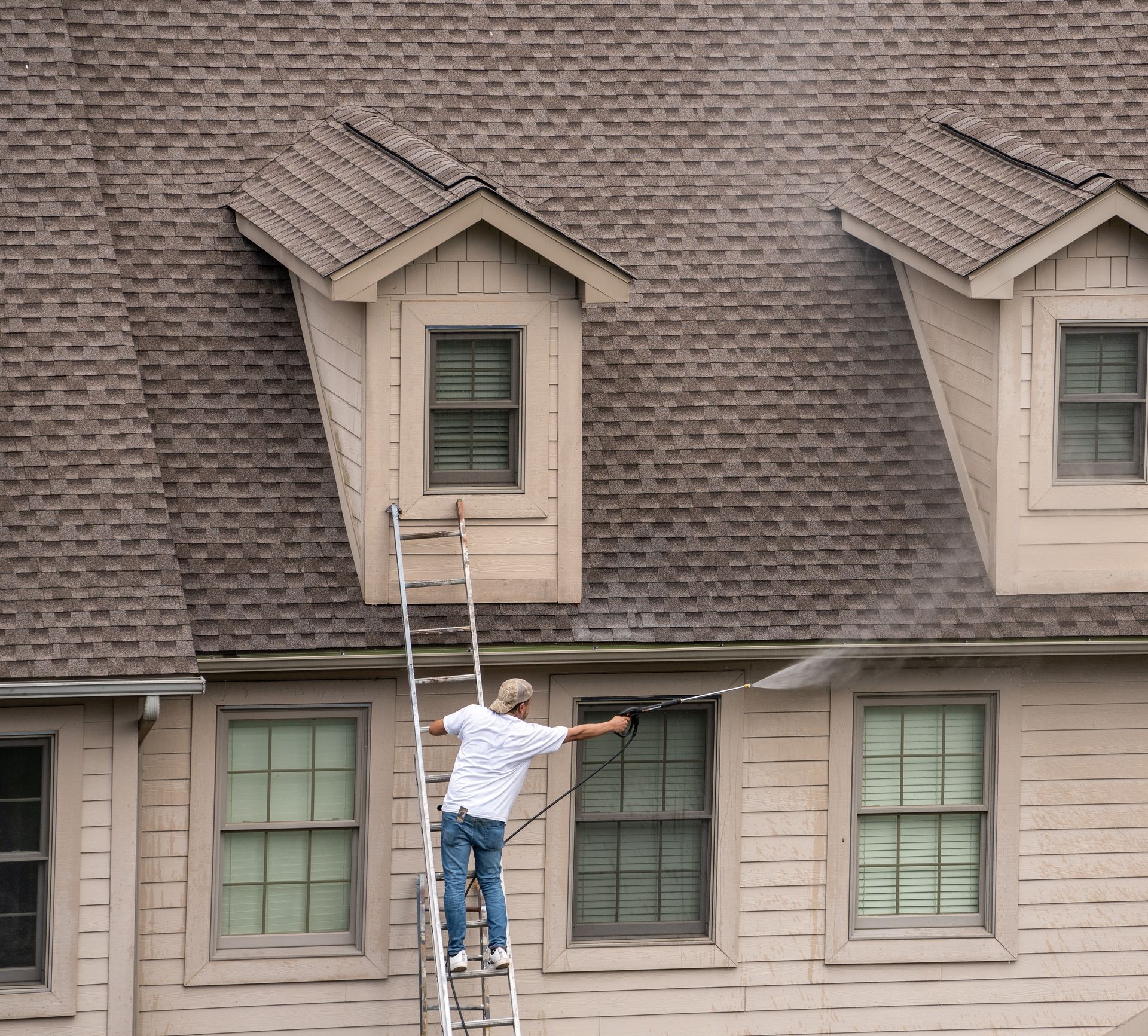
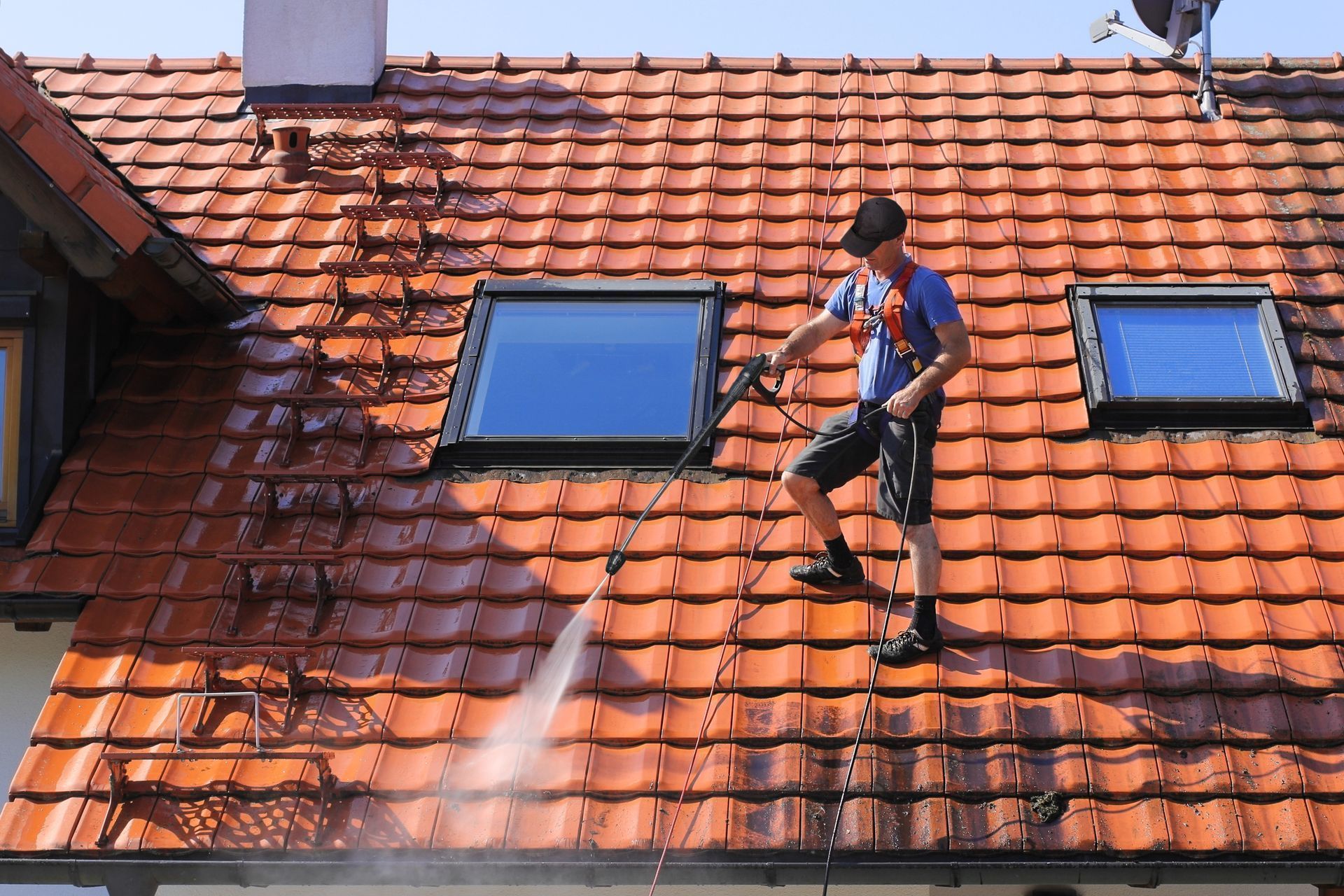
A single Seminole County summer can turn a mildly streaked roof into one with widespread biological damage. Roof cleaning protects the structural integrity and lifespan of your home. The best time to schedule a professional cleaning is before the June rains arrive or immediately after the season ends.
All Hero SoftWash, LLC serves Lake Mary, FL, and the surrounding Seminole County area with professional soft wash roof cleaning designed to eliminate
Gloeocapsa magma, mold, and mildew without harming your shingles. As a veteran- and first-responder-owned company, it offers free estimates and discounts for veterans, first responders, and seniors.
Contact All Hero SoftWash today to schedule your inspection, or call
(407) 664-3488 to speak with a team member directly.